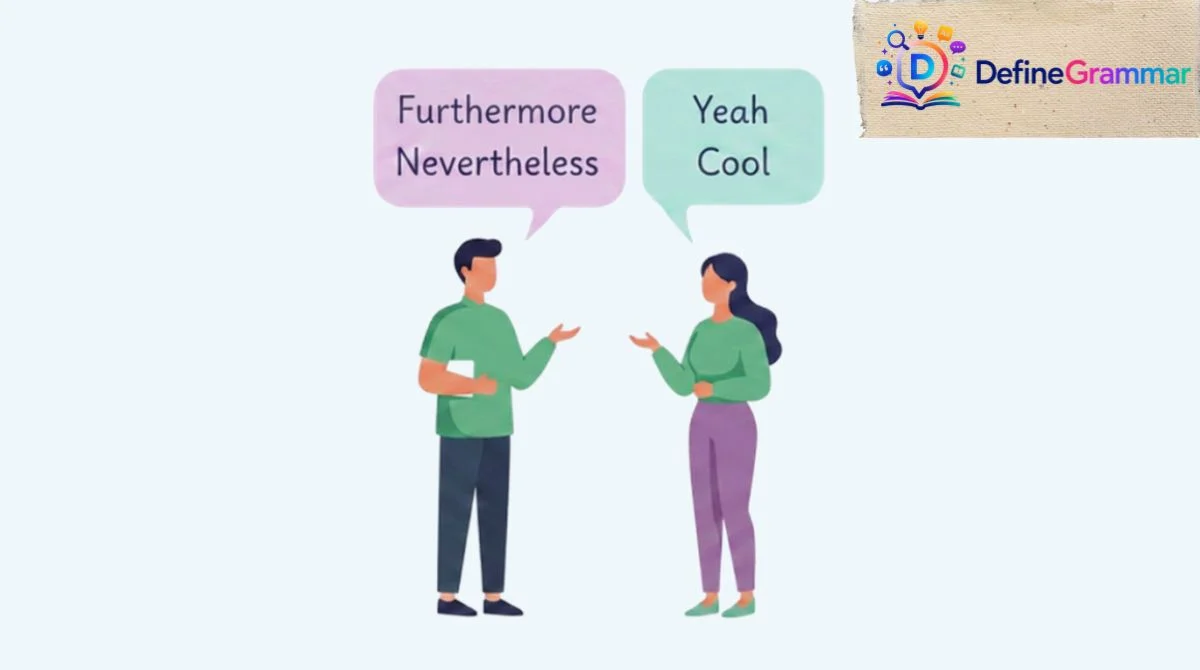
In my opinion is one of the most common phrases in English. People use it to share their personal view. But using the same phrase again and again can make writing sound repetitive and boring. Learning fresh alternatives helps you sound more natural, confident, and skilled.
Word choice changes tone. It changes how professional or casual you sound. It can make an email feel polished or make an essay feel more academic. Using varied language also helps in business meetings, school essays, social media posts, and daily talk.
Here is a quick example. A formal version might be: “It is my belief that the plan will succeed.” An informal version might be: “I think the plan will work.” Same idea, different tone.
This guide gives you 31+ smart alternatives, with clear meanings, examples, and tips.
What Does “In My Opinion” Mean?
In my opinion means “this is what I think” or “this is my personal view.” It shows that the statement is a belief, not a fact.
Grammar form: It is a fixed phrase (prepositional phrase) used at the start, middle, or end of a sentence.
Synonyms: I believe, I think, from my perspective, personally.
Opposite tone: A phrase like “It is a fact that” shows certainty, not opinion.
Sample sentences:
- In my opinion, the movie was too long.
- The food, in my opinion, was excellent.
When to Use “In My Opinion”
Spoken English: Common in daily talk when sharing views casually with friends or family.
Business English: Used in meetings to introduce a suggestion or viewpoint politely.
Emails and Messages: Helpful when giving feedback or ideas without sounding too strong.
Social Media: Often used before sharing a personal take on a topic or trend.
Academic Writing: Used carefully in essays, though many alternatives sound more formal and scholarly.
Professional Meetings: Useful for introducing ideas respectfully, especially when disagreeing with someone.
Is “In My Opinion” Polite or Professional?
Polite level: Neutral to polite. It softens a statement and shows respect for other views.
Tone levels:
- Polite: “I would say that…”
- Neutral: “In my opinion…”
- Strong: “I firmly believe…”
- Soft: “It seems to me…”
Formal vs Informal: “In my opinion” works in both formal and informal settings, but stronger academic writing often prefers phrases like “This essay argues that” instead.
Etiquette tip: Better for workplace discussions and essays. Avoid overusing it in short emails, since it can sound repetitive if used too often.
Pros & Cons of Using “In My Opinion”
✔ Pros:
- Clearly shows a personal viewpoint
- Sounds polite and respectful
- Works in both spoken and written English
- Easy for beginners to learn and use
- Softens strong statements
✘ Cons:
- Can sound repetitive if overused
- May seem weak in formal academic writing
- Can sound unsure if used too many times
- Not always suitable for confident business pitches
Alternatives to “In My Opinion”
1. I Believe
Meaning: Shows a personal belief or judgment.
Explanation: This phrase feels confident yet respectful. It works well in essays and speeches because it shows conviction without sounding rude.
Grammar Note: Verb phrase.
Example Sentence: I believe this plan will help the company grow.
Best Use: Essays, speeches, formal writing.
Worst Use: Very casual texting, where it may sound too serious.
Tone: Formal, Confident.
Level: Beginner.
Similarity Score: 9/10.
Replaceability Tip: Use this when you want to sound sure but still polite.
2. I Think
Meaning: A simple way to share a thought.
Explanation: This is the most common and natural alternative. It works everywhere, from daily talk to short emails.
Grammar Note: Verb phrase.
Example Sentence: I think we should leave earlier tomorrow.
Best Use: Spoken English, casual writing.
Worst Use: Formal academic essays, where stronger phrases work better.
Tone: Neutral, Friendly.
Level: Beginner.
Similarity Score: 9/10.
Replaceability Tip: Perfect for everyday conversations.
3. I Feel That
Meaning: Shows an opinion based on emotion or instinct.
Explanation: This phrase adds a softer, emotional touch. It’s great when giving feedback gently.
Grammar Note: Verb phrase.
Example Sentence: I feel that the meeting ran too long.
Best Use: Feedback, personal conversations.
Worst Use: Strong business arguments needing data.
Tone: Soft, Personal.
Level: Beginner.
Similarity Score: 8/10.
Replaceability Tip: Use when emotions matter more than facts.
4. From My Perspective
Meaning: Shows a viewpoint shaped by personal experience.
Explanation: This sounds thoughtful and mature. It works well in professional discussions.
Grammar Note: Prepositional phrase.
Example Sentence: From my perspective, the new policy is fair.
Best Use: Meetings, workplace discussions.
Worst Use: Very short casual texts.
Tone: Professional, Neutral.
Level: Intermediate.
Similarity Score: 9/10.
Replaceability Tip: Great for showing balanced thinking.
5. As I See It
Meaning: Shows how someone personally views a situation.
Explanation: Slightly informal but confident. Works well in spoken English.
Grammar Note: Idiomatic phrase.
Example Sentence: As I see it, we need more time to finish.
Best Use: Conversations, casual meetings.
Worst Use: Formal essays.
Tone: Neutral, Confident.
Level: Intermediate.
Similarity Score: 8/10.
Replaceability Tip: Good for casual but clear opinions.
6. Personally
Meaning: Highlights that the opinion is one’s own view.
Explanation: Short and strong. Adds emphasis to a personal stance.
Grammar Note: Adverb.
Example Sentence: Personally, I would choose the blue design.
Best Use: Conversations, casual writing.
Worst Use: Very formal reports.
Tone: Friendly, Direct.
Level: Beginner.
Similarity Score: 8/10.
Replaceability Tip: Use to add a personal touch quickly.
7. To My Mind
Meaning: A thoughtful way to express personal judgment.
Explanation: Slightly old-fashioned but elegant. Common in British English.
Grammar Note: Idiomatic phrase.
Example Sentence: To my mind, honesty matters most in leadership.
Best Use: Formal essays, British English writing.
Worst Use: Casual texting.
Tone: Formal, Reflective.
Level: Advanced.
Similarity Score: 8/10.
Replaceability Tip: Great for polished academic writing.
8. I Would Argue That
Meaning: Introduces a strong, reasoned opinion.
Explanation: Common in essays and debates. Shows confidence backed by reasoning.
Grammar Note: Verb phrase.
Example Sentence: I would argue that education should be free.
Best Use: Academic essays, debates.
Worst Use: Casual conversations.
Tone: Formal, Strong.
Level: Advanced.
Similarity Score: 9/10.
Replaceability Tip: Best for persuasive writing.
9. It Seems to Me
Meaning: A gentle way to express a viewpoint.
Explanation: Softens the opinion, showing openness to other ideas.
Grammar Note: Idiomatic phrase.
Example Sentence: It seems to me that the project needs more staff.
Best Use: Meetings, polite discussions.
Worst Use: Strong debates needing confidence.
Tone: Soft, Polite.
Level: Intermediate.
Similarity Score: 8/10.
Replaceability Tip: Use when you want to sound humble.
10. My Take Is
Meaning: A casual way to share a viewpoint.
Explanation: Popular in modern spoken English and social media.
Grammar Note: Noun phrase.
Example Sentence: My take is that the show got better after season two.
Best Use: Social media, casual talk.
Worst Use: Formal essays.
Tone: Casual, Modern.
Level: Beginner.
Similarity Score: 8/10.
Replaceability Tip: Great for online posts and reviews.
11. If You Ask Me
Meaning: Introduces an opinion, often unsolicited.
Explanation: Friendly and direct. Common in daily conversation.
Grammar Note: Idiomatic phrase.
Example Sentence: If you ask me, the price is too high.
Best Use: Casual talk, friendly debates.
Worst Use: Formal business writing.
Tone: Casual, Direct.
Level: Beginner.
Similarity Score: 7/10.
Replaceability Tip: Use with friends or informal groups.
12. I Reckon
Meaning: A casual British or Australian way to say “I think.”
Explanation: Adds a friendly, local flavor to speech.
Grammar Note: Verb phrase.
Example Sentence: I reckon it will rain later.
Best Use: Casual conversation, informal writing.
Worst Use: Business emails, essays.
Tone: Casual, Friendly.
Level: Intermediate.
Similarity Score: 7/10.
Replaceability Tip: Great for informal spoken English.
13. I Suppose
Meaning: Shows a mild, uncertain opinion.
Explanation: Softens a statement, showing slight hesitation.
Grammar Note: Verb phrase.
Example Sentence: I suppose we could try a new approach.
Best Use: Polite suggestions, casual talk.
Worst Use: Confident business proposals.
Tone: Soft, Uncertain.
Level: Beginner.
Similarity Score: 6/10.
Replaceability Tip: Use when unsure but still sharing a view.
14. I’m Convinced That
Meaning: Shows strong personal certainty.
Explanation: Adds power and confidence to an opinion.
Grammar Note: Verb phrase.
Example Sentence: I’m convinced that teamwork drives success.
Best Use: Presentations, persuasive writing.
Worst Use: Light casual talk.
Tone: Strong, Confident.
Level: Advanced.
Similarity Score: 8/10.
Replaceability Tip: Use to sound firm and sure.
15. As Far As I’m Concerned
Meaning: Shows a strong personal stance.
Explanation: Direct and firm. Can sound assertive.
Grammar Note: Idiomatic phrase.
Example Sentence: As far as I’m concerned, the deal is fair.
Best Use: Strong opinions, workplace talk.
Worst Use: Sensitive conversations needing softness.
Tone: Strong, Direct.
Level: Intermediate.
Similarity Score: 8/10.
Replaceability Tip: Use carefully; can sound blunt.
16. My View Is
Meaning: A clear, professional way to share thoughts.
Explanation: Sounds balanced and thoughtful.
Grammar Note: Noun phrase.
Example Sentence: My view is that remote work boosts productivity.
Best Use: Meetings, reports.
Worst Use: Very casual chats.
Tone: Professional, Neutral.
Level: Intermediate.
Similarity Score: 9/10.
Replaceability Tip: Great for workplace writing.
17. I Hold the View That
Meaning: A formal way to express a firm belief.
Explanation: Sounds academic and polished.
Grammar Note: Verb phrase.
Example Sentence: I hold the view that climate action is urgent.
Best Use: Essays, formal debates.
Worst Use: Texting, casual talk.
Tone: Formal, Strong.
Level: Advanced.
Similarity Score: 9/10.
Replaceability Tip: Ideal for scholarly writing.
18. It Is My Belief That
Meaning: A formal declaration of personal opinion.
Explanation: Sounds serious and respectful, common in speeches.
Grammar Note: Formal phrase.
Example Sentence: It is my belief that honesty builds trust.
Best Use: Speeches, essays.
Worst Use: Casual conversation.
Tone: Formal, Serious.
Level: Advanced.
Similarity Score: 9/10.
Replaceability Tip: Use for powerful, formal statements.
19. Based on My Experience
Meaning: Shows an opinion shaped by personal history.
Explanation: Adds credibility since it’s tied to real experience.
Grammar Note: Prepositional phrase.
Example Sentence: Based on my experience, patience improves results.
Best Use: Interviews, workplace advice.
Worst Use: Situations with no personal experience involved.
Tone: Professional, Credible.
Level: Intermediate.
Similarity Score: 8/10.
Replaceability Tip: Use when experience supports the opinion.
20. I Tend to Think
Meaning: A soft way to share a general belief.
Explanation: Shows an opinion without sounding too fixed.
Grammar Note: Verb phrase.
Example Sentence: I tend to think smaller teams work faster.
Best Use: Discussions, gentle suggestions.
Worst Use: Strong persuasive essays.
Tone: Soft, Thoughtful.
Level: Intermediate.
Similarity Score: 8/10.
Replaceability Tip: Use for calm, balanced opinions.
21. Speaking for Myself
Meaning: Clarifies that the opinion belongs only to the speaker.
Explanation: Useful in group settings to separate personal views from others.
Grammar Note: Idiomatic phrase.
Example Sentence: Speaking for myself, I enjoyed the workshop.
Best Use: Group discussions, team meetings.
Worst Use: Solo writing where confusion isn’t possible.
Tone: Neutral, Clear.
Level: Intermediate.
Similarity Score: 8/10.
Replaceability Tip: Use in group settings for clarity.
22. In My View
Meaning: A short, formal way to state an opinion.
Explanation: Very close to the original phrase but slightly more formal.
Grammar Note: Prepositional phrase.
Example Sentence: In my view, the report needs more detail.
Best Use: Emails, reports, essays.
Worst Use: Very casual chats.
Tone: Formal, Neutral.
Level: Beginner.
Similarity Score: 10/10.
Replaceability Tip: The closest and safest replacement.
23. I’d Say
Meaning: A casual, quick way to share thoughts.
Explanation: Common in spoken English, sounds relaxed.
Grammar Note: Contraction phrase.
Example Sentence: I’d say the movie deserves a high rating.
Best Use: Conversations, casual writing.
Worst Use: Formal reports.
Tone: Casual, Friendly.
Level: Beginner.
Similarity Score: 8/10.
Replaceability Tip: Great for quick spoken opinions.
24. I Honestly Think
Meaning: Adds emphasis and sincerity to an opinion.
Explanation: Shows the speaker truly believes what they say.
Grammar Note: Verb phrase.
Example Sentence: I honestly think the team did a great job.
Best Use: Sincere conversations, feedback.
Worst Use: Neutral formal writing.
Tone: Sincere, Warm.
Level: Beginner.
Similarity Score: 8/10.
Replaceability Tip: Use to sound genuine and caring.
25. From Where I Stand
Meaning: Shows an opinion based on personal position or role.
Explanation: Slightly figurative, adds depth to the opinion.
Grammar Note: Idiomatic phrase.
Example Sentence: From where I stand, the strategy looks solid.
Best Use: Workplace discussions, leadership talks.
Worst Use: Very simple everyday chats.
Tone: Professional, Reflective.
Level: Advanced.
Similarity Score: 8/10.
Replaceability Tip: Use to show perspective tied to a role.
26. My Honest Opinion Is
Meaning: Introduces a truthful, direct viewpoint.
Explanation: Signals openness and honesty, often before feedback.
Grammar Note: Noun phrase.
Example Sentence: My honest opinion is that the design needs work.
Best Use: Feedback, reviews.
Worst Use: Very formal academic essays.
Tone: Direct, Honest.
Level: Intermediate.
Similarity Score: 9/10.
Replaceability Tip: Use before giving honest feedback.
27. I’m of the Opinion That
Meaning: A formal, classic way to share a belief.
Explanation: Sounds polished and slightly old-fashioned.
Grammar Note: Formal phrase.
Example Sentence: I’m of the opinion that patience pays off.
Best Use: Formal essays, speeches.
Worst Use: Texting, casual chats.
Tone: Formal, Elegant.
Level: Advanced.
Similarity Score: 9/10.
Replaceability Tip: Great for academic tone.
28. If I’m Honest
Meaning: Introduces a personal, sincere opinion.
Explanation: Common in casual talk and social media captions.
Grammar Note: Conditional phrase.
Example Sentence: If I’m honest, I didn’t enjoy the event much.
Best Use: Social media, casual talk.
Worst Use: Formal reports.
Tone: Casual, Sincere.
Level: Beginner.
Similarity Score: 7/10.
Replaceability Tip: Great for honest, relaxed opinions.
29. I Daresay
Meaning: A formal, slightly old-fashioned way to guess an opinion.
Explanation: Common in British English, adds a polite, thoughtful tone.
Grammar Note: Verb phrase.
Example Sentence: I daresay the results will improve next quarter.
Best Use: Formal British English writing.
Worst Use: Casual American chat.
Tone: Formal, Reserved.
Level: Advanced.
Similarity Score: 7/10.
Replaceability Tip: Use for elegant, formal tone.
30. I Sense That
Meaning: Shows an opinion based on intuition.
Explanation: Adds emotional or instinctive weight to a viewpoint.
Grammar Note: Verb phrase.
Example Sentence: I sense that the team is losing motivation.
Best Use: Emotional or people-focused discussions.
Worst Use: Data-based business reports.
Tone: Soft, Intuitive.
Level: Intermediate.
Similarity Score: 7/10.
Replaceability Tip: Use when instinct matters more than facts.
31. I Have a Feeling That
Meaning: A casual way to predict or share a belief.
Explanation: Common in daily speech, sounds relaxed and natural.
Grammar Note: Verb phrase.
Example Sentence: I have a feeling that this plan will work.
Best Use: Conversations, predictions.
Worst Use: Formal essays.
Tone: Casual, Friendly.
Level: Beginner.
Similarity Score: 7/10.
Replaceability Tip: Great for light, everyday predictions.
32. My Gut Says
Meaning: Shows an opinion based on instinct, not logic.
Explanation: Very casual and expressive, common in spoken English.
Grammar Note: Idiomatic phrase.
Example Sentence: My gut says this idea will succeed.
Best Use: Casual talk, informal decisions.
Worst Use: Academic or formal writing.
Tone: Casual, Instinctive.
Level: Intermediate.
Similarity Score: 6/10.
Replaceability Tip: Use for quick, instinct-based opinions.
33. I Would Suggest That
Meaning: Offers an opinion in the form of advice.
Explanation: Polite and professional, common in workplace settings.
Grammar Note: Verb phrase.
Example Sentence: I would suggest that we review the budget again.
Best Use: Meetings, professional advice.
Worst Use: Casual friendly chats.
Tone: Polite, Professional.
Level: Intermediate.
Similarity Score: 8/10.
Replaceability Tip: Great when opinion doubles as advice.
34. I’m Inclined to Think
Meaning: Shows a leaning opinion, not fully certain.
Explanation: Sounds thoughtful and balanced, common in formal discussions.
Grammar Note: Verb phrase.
Example Sentence: I’m inclined to think the delay was unavoidable.
Best Use: Formal discussions, careful opinions.
Worst Use: Very casual talk.
Tone: Formal, Balanced.
Level: Advanced.
Similarity Score: 8/10.
Replaceability Tip: Use when leaning toward an idea, not fully sure.
35. As I Understand It
Meaning: Shows an opinion based on current understanding.
Explanation: Useful when the opinion may change with new information.
Grammar Note: Idiomatic phrase.
Example Sentence: As I understand it, the meeting was moved to Friday.
Best Use: Clarifications, workplace updates.
Worst Use: Strong, fixed opinions.
Tone: Neutral, Careful.
Level: Intermediate.
Similarity Score: 7/10.
Replaceability Tip: Use when the opinion is based on limited information.
Mini Dialogue Examples
Formal Dialogue
A: What is your view on the new policy?
B: In my view, the policy will improve efficiency across departments.
Informal Dialogue
A: What do you think about the show?
B: Honestly, if you ask me, the ending was weak.
Business Email Style
Subject: Feedback on Proposal
Hi Team,
Based on my experience, the proposal covers the main goals well. My honest opinion is that the timeline needs slight adjustment.
Best regards,
Alex
Mistakes to Avoid
- Using “in my opinion” too many times in one essay.
- Mixing formal phrases with slang in the same sentence.
- Using “I reckon” in formal business writing.
- Forgetting a comma after phrases like “In my view.”
- Sounding too weak by overusing “I suppose” in confident writing.
- Using strong phrases like “I’m convinced that” when unsure.
- Repeating the same alternative throughout a long text.
Cultural & Tone Tips
UK English: Phrases like “I daresay” and “to my mind” feel natural and slightly formal.
US English: Phrases like “my take is” and “I’d say” feel casual and modern.
Casual Social English: Short phrases like “if I’m honest” and “my gut says” work well online and in daily chats.
Comparison Table
| Phrase | Tone | Best Context | Professional Level | Example |
|---|---|---|---|---|
| In my view | Formal | Emails, reports | High | In my view, the plan is solid. |
| I believe | Formal | Essays, speeches | High | I believe change is needed. |
| My take is | Casual | Social media | Low | My take is the show improved. |
| I would argue that | Formal | Academic essays | High | I would argue that reform is key. |
| If you ask me | Casual | Friendly talk | Low | If you ask me, it’s too costly. |
| Based on my experience | Professional | Workplace advice | High | Based on my experience, teamwork wins. |
| I suppose | Soft | Polite suggestions | Medium | I suppose we could try again. |
Other ways to say in my opinion without using first person

Academic and formal writing often avoids first-person expressions such as “I think” or “in my opinion.” Instead, impersonal or objective structures are used to present viewpoints more professionally.
Some effective alternatives include:
- It can be argued that
- It is believed that
- It is commonly considered that
- It appears that
- It may be suggested that
- Evidence suggests that
- From a general perspective
- It is widely accepted that
- One interpretation is that
- The analysis indicates that
These expressions remove the speaker from the sentence, making the statement sound more neutral, research-based, and authoritative. They are especially useful in essays, reports, and academic discussions where objectivity is expected.
Other ways to say in my opinion examples
Using alternatives to “in my opinion” helps improve clarity and academic tone. Below are practical examples showing how these phrases replace personal opinion:
- “In my opinion, technology improves education.”
→ “It can be argued that technology improves education.” - “In my opinion, pollution is a serious issue.”
→ “It is widely accepted that pollution is a serious issue.” - “In my opinion, reading builds knowledge.”
→ “Evidence suggests that reading builds knowledge.” - “In my opinion, teamwork increases productivity.”
→ “It may be suggested that teamwork increases productivity.”
These transformations show how personal statements can be converted into formal, objective academic expressions.
Synonyms for in my opinion formal
Formal writing requires structured and neutral alternatives that strengthen credibility. Common formal synonyms include:
- It is the view that
- It is argued that
- It is considered that
- Research shows that
- Studies indicate that
- It is generally accepted that
- Academic consensus suggests that
- It can be concluded that
- From a scholarly perspective
- It is evident that
These phrases are widely used in academic essays, research papers, and professional reports because they maintain an authoritative and evidence-based tone instead of a personal voice.
In my opinion synonym third person
Third-person alternatives are useful when writing needs to sound detached and analytical. These expressions avoid personal involvement entirely:
- One may argue that
- One could say that
- It is thought that
- It is believed by many that
- Some experts suggest that
- Many people consider that
- A common belief is that
- The general view is that
- Observations indicate that
- Analysis suggests that
These structures shift focus away from the writer and toward general opinion or external interpretation, which is ideal for essays and formal analysis.
In my opinion slang
In informal communication, slang and casual expressions are often used instead of formal phrasing. These are common in speech, texting, and social media:
- To be honest (TBH)
- IMO (in my opinion)
- I feel like
- I guess
- If you ask me
- From where I stand
- My take is
- I’d say
- Just saying
- Personally speaking
These expressions make communication sound more relaxed and conversational, but they are generally unsuitable for academic or professional writing.
In my opinion synonym informal
Informal alternatives are slightly more structured than slang but still conversational and natural. They include:
- I think that
- I believe that
- I feel that
- From my point of view
- In my view
- As I see it
- It seems to me that
- My opinion is that
- I would say that
- From my perspective
These phrases are commonly used in essays with a semi-formal tone, discussions, and everyday communication where clarity and natural flow are preferred.
How to say in my opinion in an essay
In essay writing, especially academic essays, using “in my opinion” repeatedly can weaken formality. Instead, writers should adopt objective or academic phrasing that supports arguments with evidence or general reasoning.
Better approaches include:
- Using impersonal structures: “It is argued that…”
- Referring to research: “Studies suggest that…”
- Using analytical framing: “The evidence indicates that…”
- Using cautious language: “It appears that…”
- Using general interpretation: “The analysis shows that…”
If personal opinion must be included, it should be limited and placed strategically, for example in introductions or conclusions. The body of the essay should rely more on evidence-based language rather than personal phrasing.
In my opinion examples
Understanding how to use alternatives effectively becomes easier through examples. Below are transformations showing different tones:
- “In my opinion, education is important.”
→ “It is widely accepted that education is important.” - “In my opinion, exercise improves health.”
→ “Evidence suggests that exercise improves health.” - “In my opinion, reading helps imagination.”
→ “It is generally believed that reading helps imagination.” - “In my opinion, social media affects attention span.”
→ “Research indicates that social media affects attention span.”
These examples demonstrate how opinion-based statements can be rewritten into formal, academic, or neutral expressions depending on the context.
Frequently Asked Questions
How do I professionally say “in my opinion”?
In my considered view, the most professional expression of opinion reflects thoughtful judgment rather than personal bias.
What is another way of saying “in my opinion”?
From my perspective, it conveys a reflective stance grounded in personal analysis rather than assertion.
How do I say “in my opinion” in a better way?
It is more refined to say “it is my considered view” as it implies careful evaluation before judgment.
How do you say “I think” in a formal way?
A formal equivalent is “I believe” or “I am of the opinion,” which signals reasoned thought over casual assumption.
What is a professional alternative to “I think”?
“It appears to me” presents thought as observation rather than mere personal belief.
How can I express opinion more elegantly in writing?
“It is my understanding” frames opinion as informed interpretation rather than subjective impulse.
Conclusion
Using different ways to say “in my opinion” makes writing and speaking more natural and confident. It helps avoid repetition and shows strong language skills. Whether you need a formal phrase for an essay or a casual one for a chat, there is always a better option waiting.
Try mixing these alternatives in your next email, essay, or conversation. Practice makes these phrases feel natural over time. Soon, expressing your opinion will feel easy, clear, and professional in any situation.

Riaz Ahmad is the founder and writer at DefineGrammar.com, dedicated to simplifying English grammar for students and writers worldwide. With a passion for language, he breaks down complex grammar rules into clear, practical lessons, helping readers write with confidence and clarity every day.