Last updated: August 31, 2026
When you write the same phrase again and again, your writing starts to feel flat. “I am reaching out to you” is one of the most overused lines in emails and messages today. It still works, but using it every time makes your writing sound stiff and repetitive. Learning fresh alternatives helps you sound more natural, more confident, and more professional.
Word choice changes how people feel about your message. A formal alternative can make a business email sound polished. An informal alternative can make a text feel warm and friendly. For example, saying “I wanted to touch base with you” feels casual and personal, while “I am writing to inform you” feels formal and direct. Same intention, different tone.
This guide gives you more than 27+ strong alternatives, with clear explanations, examples, and tips so you always pick the right words for the right moment.
What Does “I Am Reaching Out to You” Mean?
In simple terms, this phrase means you are contacting someone for a reason. You might need help, want to share information, or start a conversation.
Grammar form: It is a verb phrase, often used at the start of an email or message.
Synonyms: contacting you, getting in touch, writing to you, connecting with you
Opposite tone: ignoring you, staying silent, avoiding contact
Sample sentences:
- I am reaching out to you regarding the job opening.
- I am reaching out to you because I need some advice.
When to Use “I Am Reaching Out to You”
Spoken English: Rarely used. People prefer simpler phrases like “I wanted to talk to you” in conversation.
Business English: Common in professional emails, especially when contacting someone for the first time.
Emails and Messages: Very common as an opening line, especially in cold emails or follow-ups.
Social Media: Less common, but sometimes used in direct messages to professionals or businesses.
Academic Writing: Rarely used directly, but similar formal versions appear in research correspondence.
Professional Meetings: Sometimes used when summarizing why a meeting was scheduled.
Is “I Am Reaching Out to You” Polite or Professional?
This phrase sits in the neutral to formal zone. It is polite, safe, and works in most professional situations.
- Polite: Yes, it shows respect and good manners.
- Neutral: It does not sound too soft or too strong.
- Formal vs Informal: Leans formal, but acceptable in semi-formal messages too.
Etiquette tip: It works well for workplace emails, but using it too often can make your writing sound repetitive. Mix it with other alternatives for better flow.
Pros and Cons of Using “I Am Reaching Out to You”
Pros:
- Sounds professional and respectful
- Works for almost any business situation
- Easy to understand for non-native speakers
- Safe choice for first-time contact
Cons:
- Overused in modern emails
- Can sound generic or robotic
- Lacks personal warmth
- Repeated use weakens your writing style
Alternatives to “I Am Reaching Out to You”
1. I’m Contacting You About…
Meaning: A simple way to say you are getting in touch for a reason.
Explanation: This phrase is direct and clear. It works well when you want to skip small talk and explain your purpose right away.
Grammar Note: Verb phrase
Example Sentence: I’m contacting you about the delayed shipment from last week.
Best Use: Email, workplace
Worst Use: Casual texting with friends
Tone: Neutral
Level: Beginner
Similarity Score: 9/10
Replaceability Tip: Use this when you want a clear, no-fuss opening line.
2. I Wanted to Get in Touch…
Meaning: A soft way to say you wanted to talk to someone.
Explanation: This sounds warmer than “reaching out.” It feels personal and is great for relationship-building emails.
Grammar Note: Verb phrase
Example Sentence: I wanted to get in touch and see how the project is going.
Best Use: Email, friendly business contact
Worst Use: Very formal legal letters
Tone: Friendly
Level: Beginner
Similarity Score: 8/10
Replaceability Tip: Great for follow-ups with people you already know.
3. I’m Writing to You Regarding…
Meaning: A formal way to explain the reason for your message.
Explanation: This is one of the most professional alternatives. It is commonly used in official letters and corporate emails.
Grammar Note: Formal phrase
Example Sentence: I’m writing to you regarding the contract renewal.
Best Use: Formal email, business letters
Worst Use: Texting or casual chat
Tone: Formal
Level: Intermediate
Similarity Score: 9/10
Replaceability Tip: Best choice for serious or official topics.
4. I Wanted to Touch Base With You
Meaning: A friendly way to say you want a quick check-in.
Explanation: This phrase is common in workplaces. It feels relaxed and is often used when there is no urgent issue.
Grammar Note: Idiom
Example Sentence: I wanted to touch base with you before the meeting tomorrow.
Best Use: Workplace, email
Worst Use: Very formal academic writing
Tone: Friendly
Level: Intermediate
Similarity Score: 7/10
Replaceability Tip: Use this for casual professional check-ins.
5. I’m Following Up On…
Meaning: You are checking back about something already discussed.
Explanation: This phrase works only when there was earlier contact. It shows persistence without sounding pushy.
Grammar Note: Verb phrase
Example Sentence: I’m following up on my email from last Tuesday.
Best Use: Email, business reminders
Worst Use: First-time contact
Tone: Neutral
Level: Beginner
Similarity Score: 6/10
Replaceability Tip: Use only after a previous message was sent.
6. I’m Getting in Touch to Ask…
Meaning: A simple lead-in before asking a question.
Explanation: This phrase prepares the reader for a request. It sounds polite and clear.
Grammar Note: Verb phrase
Example Sentence: I’m getting in touch to ask if you have time this week.
Best Use: Email, messages
Worst Use: Formal legal documents
Tone: Neutral
Level: Beginner
Similarity Score: 8/10
Replaceability Tip: Good when your message leads to a question.
7. I Wanted to Connect With You
Meaning: A modern, friendly way to start a conversation.
Explanation: Popular in networking and LinkedIn messages. It feels personal and relationship-focused.
Grammar Note: Verb phrase
Example Sentence: I wanted to connect with you after seeing your recent post.
Best Use: LinkedIn, networking emails
Worst Use: Strict formal letters
Tone: Friendly, professional
Level: Intermediate
Similarity Score: 8/10
Replaceability Tip: Best for new professional relationships.
8. I’m Writing to Ask About…
Meaning: A direct phrase used to introduce a question.
Explanation: Clear and simple, often used by students or employees making a request.
Grammar Note: Verb phrase
Example Sentence: I’m writing to ask about the application deadline.
Best Use: Email, academic writing
Worst Use: Spoken conversation
Tone: Neutral
Level: Beginner
Similarity Score: 8/10
Replaceability Tip: Use when your message is mainly a question.
9. I Hope This Message Finds You Well, I Wanted to Ask…
Meaning: A polite greeting followed by your purpose.
Explanation: This adds warmth before the main point. It is common in formal and semi-formal emails.
Grammar Note: Formal phrase
Example Sentence: I hope this message finds you well, I wanted to ask about your availability.
Best Use: Formal email
Worst Use: Texting
Tone: Formal, polite
Level: Intermediate
Similarity Score: 7/10
Replaceability Tip: Use when you want extra politeness.
10. I’m Dropping You a Message About…
Meaning: A casual way to say you are contacting someone.
Explanation: Light and relaxed, this phrase suits quick, informal communication.
Grammar Note: Informal phrase
Example Sentence: I’m dropping you a message about tonight’s plan.
Best Use: Text messages, casual chat
Worst Use: Corporate emails
Tone: Informal
Level: Beginner
Similarity Score: 6/10
Replaceability Tip: Use only with friends or close coworkers.
11. I’m Checking In Regarding…
Meaning: You are asking for an update.
Explanation: Common in workplaces to politely ask about progress.
Grammar Note: Verb phrase
Example Sentence: I’m checking in regarding the report you mentioned.
Best Use: Workplace email
Worst Use: First contact with strangers
Tone: Neutral
Level: Beginner
Similarity Score: 7/10
Replaceability Tip: Best for status updates.
12. I Wanted to Reach You About…
Meaning: A simple, slightly informal version of the original phrase.
Explanation: Easy to understand and works in many settings.
Grammar Note: Verb phrase
Example Sentence: I wanted to reach you about the schedule change.
Best Use: Email, messages
Worst Use: Very formal writing
Tone: Neutral
Level: Beginner
Similarity Score: 9/10
Replaceability Tip: A safe, simple substitute in most cases.
13. I’m Sending This to Discuss…
Meaning: You want to talk about a topic.
Explanation: Sounds direct and businesslike, often used in formal updates.
Grammar Note: Formal phrase
Example Sentence: I’m sending this to discuss next month’s budget.
Best Use: Business email
Worst Use: Casual chat
Tone: Formal
Level: Intermediate
Similarity Score: 7/10
Replaceability Tip: Use for topic-focused messages.
14. I Wanted to Bring Something to Your Attention
Meaning: You want to point out an issue or detail.
Explanation: Common when raising concerns or important updates politely.
Grammar Note: Formal phrase
Example Sentence: I wanted to bring something to your attention regarding the invoice.
Best Use: Workplace, formal email
Worst Use: Casual texting
Tone: Formal, serious
Level: Advanced
Similarity Score: 6/10
Replaceability Tip: Use when raising a problem or concern.
15. I’m Messaging You About…
Meaning: A casual, modern way to explain your reason for texting.
Explanation: Common in chat apps and quick communication.
Grammar Note: Informal phrase
Example Sentence: I’m messaging you about tomorrow’s meeting time.
Best Use: Text, chat apps
Worst Use: Formal letters
Tone: Informal
Level: Beginner
Similarity Score: 8/10
Replaceability Tip: Best for quick digital messages.
16. I Wanted to Update You On…
Meaning: You are sharing new information.
Explanation: Useful when giving progress reports or news.
Grammar Note: Verb phrase
Example Sentence: I wanted to update you on the project status.
Best Use: Workplace email
Worst Use: First-time introduction
Tone: Neutral
Level: Beginner
Similarity Score: 6/10
Replaceability Tip: Use when your message contains an update.
17. I’m Writing on Behalf Of…
Meaning: You are contacting someone for another person or group.
Explanation: Common in formal business or organizational communication.
Grammar Note: Formal phrase
Example Sentence: I’m writing on behalf of the HR department.
Best Use: Formal email
Worst Use: Personal messages
Tone: Formal
Level: Advanced
Similarity Score: 5/10
Replaceability Tip: Use when representing a team or company.
18. I Wanted to Share Something With You
Meaning: A gentle way to introduce information or news.
Explanation: Feels warm and personal, good for soft topics.
Grammar Note: Verb phrase
Example Sentence: I wanted to share something with you about the new plan.
Best Use: Email, personal messages
Worst Use: Strict legal writing
Tone: Friendly
Level: Beginner
Similarity Score: 6/10
Replaceability Tip: Best for soft or positive news.
19. I’m Contacting Your Team About…
Meaning: You are reaching out to a group, not one person.
Explanation: Useful for business communication with departments.
Grammar Note: Verb phrase
Example Sentence: I’m contacting your team about the upcoming partnership.
Best Use: Business email
Worst Use: Personal one-on-one chat
Tone: Formal
Level: Intermediate
Similarity Score: 8/10
Replaceability Tip: Use when addressing a group or department.
20. I Wanted to Ask for Your Help With…
Meaning: A direct request for assistance.
Explanation: Clear and polite, often used when needing support.
Grammar Note: Verb phrase
Example Sentence: I wanted to ask for your help with the presentation.
Best Use: Email, workplace
Worst Use: Formal academic papers
Tone: Polite, friendly
Level: Beginner
Similarity Score: 5/10
Replaceability Tip: Use when your message is a request for help.
21. I’m Reaching Back Out About…
Meaning: You are contacting someone again.
Explanation: Useful for second or third attempts at communication.
Grammar Note: Verb phrase
Example Sentence: I’m reaching back out about the proposal we discussed.
Best Use: Follow-up email
Worst Use: First-time contact
Tone: Neutral
Level: Intermediate
Similarity Score: 9/10
Replaceability Tip: Best for repeated outreach.
22. I Wanted to Loop You In On…
Meaning: You want someone included in a conversation or update.
Explanation: Common in workplace emails involving multiple people.
Grammar Note: Idiom
Example Sentence: I wanted to loop you in on the client’s feedback.
Best Use: Team email
Worst Use: Very formal writing
Tone: Friendly, professional
Level: Intermediate
Similarity Score: 5/10
Replaceability Tip: Use when including someone in an ongoing topic.
23. I’m Following Up to Ask…
Meaning: A polite way to ask again about something.
Explanation: Useful when waiting for a reply.
Grammar Note: Verb phrase
Example Sentence: I’m following up to ask if you received my last email.
Best Use: Email reminders
Worst Use: First contact
Tone: Neutral, polite
Level: Beginner
Similarity Score: 6/10
Replaceability Tip: Best for reminders.
24. I Wanted to Flag Something for You
Meaning: You want to point out an issue.
Explanation: Common in workplace settings, especially for urgent matters.
Grammar Note: Idiom
Example Sentence: I wanted to flag something for you before the deadline.
Best Use: Workplace email
Worst Use: Casual conversation
Tone: Serious, professional
Level: Advanced
Similarity Score: 5/10
Replaceability Tip: Use for urgent issues.
25. I’m Writing With a Quick Question
Meaning: You have a short question to ask.
Explanation: Useful when keeping the message brief and simple.
Grammar Note: Verb phrase
Example Sentence: I’m writing with a quick question about the invoice.
Best Use: Email
Worst Use: Long formal letters
Tone: Neutral, friendly
Level: Beginner
Similarity Score: 6/10
Replaceability Tip: Best when your message is short.
26. I Wanted to Introduce Myself
Meaning: A polite way to start a first conversation.
Explanation: Common in networking or new business contacts.
Grammar Note: Verb phrase
Example Sentence: I wanted to introduce myself before our meeting next week.
Best Use: First-time email
Worst Use: Ongoing conversations
Tone: Polite, professional
Level: Beginner
Similarity Score: 4/10
Replaceability Tip: Best for first contact only.
27. I’m Getting in Contact Regarding…
Meaning: A formal version of getting in touch.
Explanation: Sounds official and works well in serious communication.
Grammar Note: Formal phrase
Example Sentence: I’m getting in contact regarding your recent application.
Best Use: Formal email
Worst Use: Casual texting
Tone: Formal
Level: Intermediate
Similarity Score: 9/10
Replaceability Tip: Use for official or serious matters.
28. I Wanted to Check Whether…
Meaning: You want to confirm something.
Explanation: Direct and clear, used for confirmations.
Grammar Note: Verb phrase
Example Sentence: I wanted to check whether you received the documents.
Best Use: Email, workplace
Worst Use: Formal legal writing
Tone: Neutral
Level: Beginner
Similarity Score: 5/10
Replaceability Tip: Use for confirmation messages.
29. I’m Sending a Quick Note About…
Meaning: A short, friendly way to share information.
Explanation: Feels relaxed and works well for brief updates.
Grammar Note: Informal phrase
Example Sentence: I’m sending a quick note about tomorrow’s schedule.
Best Use: Casual workplace email
Worst Use: Formal reports
Tone: Friendly
Level: Beginner
Similarity Score: 6/10
Replaceability Tip: Best for short, casual updates.
30. I Wanted to Open a Conversation About…
Meaning: You want to start discussing a topic.
Explanation: Useful when introducing a new idea or proposal.
Grammar Note: Verb phrase
Example Sentence: I wanted to open a conversation about improving our workflow.
Best Use: Business email
Worst Use: Casual chat
Tone: Professional
Level: Advanced
Similarity Score: 6/10
Replaceability Tip: Use when starting a discussion or proposal.
Mini Dialogue Examples
Formal Dialogue
A: Good morning. I’m writing to you regarding the contract details.
B: Good morning. Thank you for the update. I’ll review it today.
Informal Dialogue
A: Hey, I’m dropping you a message about tonight’s plan.
B: Sounds good! What time should I be there?
Business Email Example
Subject: Quick Update on Project Timeline
Hi Sarah,
I wanted to touch base with you about the project timeline. We are slightly ahead of schedule, and I wanted to share something with you regarding the next steps. Let me know if you have time this week to discuss.
Best regards,
James
Mistakes to Avoid
- Using “I’m reaching out” too many times in one email
- Choosing informal phrases like “dropping you a message” in formal letters
- Forgetting to explain the reason after the opening line
- Using formal phrases like “writing on behalf of” in casual chats
- Overusing idioms that beginners may not understand
- Mixing formal and informal tone in the same message
- Starting every email with the same phrase, making writing repetitive
Cultural and Tone Tips
In UK English, people often prefer slightly more formal openings, even in everyday emails. Phrases like “I’m writing to you regarding” feel natural and respectful.
In US English, casual phrases like “I wanted to touch base” or “just checking in” are common, even in professional settings.
In casual social English, short and friendly phrases work best, such as “hey, just messaging you about…” These feel relaxed and personal, especially in group chats or social media messages.
Comparison Table
| Phrase | Tone | Best Context | Professional Level | Example |
|---|---|---|---|---|
| I’m contacting you about | Neutral | High | I’m contacting you about the order. | |
| I wanted to touch base with you | Friendly | Workplace | Medium | I wanted to touch base before the call. |
| I’m writing to you regarding | Formal | Business letter | High | I’m writing to you regarding the agreement. |
| I wanted to connect with you | Friendly | Networking | Medium | I wanted to connect with you after the event. |
| I’m following up on | Neutral | Reminder email | High | I’m following up on my last message. |
| I wanted to introduce myself | Polite | First contact | Medium | I wanted to introduce myself before our meeting. |
I Am Reaching Out to You Quotes
“I am reaching out to you” is a polite and professional expression commonly used when initiating communication for a specific purpose. It works well in business emails, networking messages, requests, and follow-ups, especially when the writer wants to sound respectful and approachable. (Grammar Gamma)
For a more natural and purposeful tone, the phrase can be followed immediately by the reason for contacting someone. For example: “I am reaching out to you regarding the position we discussed” or “I am reaching out to you to request further information.” These versions make the message clearer and prevent the opening from sounding vague.
Other useful quotes include “I am reaching out to discuss a potential opportunity,” “I am reaching out to ask for your guidance,” and “I am reaching out to follow up on our previous conversation.” Choosing the wording according to the situation makes professional communication sound more confident and intentional.
I Am Reaching Out to You Formal
“I am reaching out to you” is grammatically correct and acceptable in formal communication, but it has become common enough that it may sometimes sound repetitive or generic. A stronger professional approach is to state the purpose of the message as early and clearly as possible. (Synonymss)
Formal alternatives include “I am contacting you regarding,” “I am writing to inquire about,” “I am writing to discuss,” “I would like to connect with you regarding,” and “I am following up concerning.” Each option can be selected according to the purpose of the email.
For example, instead of writing, “I am reaching out to you regarding your application,” you could write, “I am contacting you regarding your application.” This sounds direct, polished, and professional while keeping the message respectful.
I Am Reaching Out to You Regarding Meaning

The phrase “I am reaching out to you regarding” is a professional way to introduce the purpose of an email or message. It tells the recipient that you are contacting them about a specific topic, request, concern, or opportunity. This expression is widely used in business communication because it sounds polite, respectful, and direct without being overly formal.
People often use this phrase when discussing projects, appointments, job applications, customer service issues, partnerships, or any matter that requires attention. It creates a smooth transition into the main point of your message while maintaining a courteous tone.
Examples:
- I am reaching out to you regarding our upcoming meeting.
- I am reaching out to you regarding your recent application.
- I am reaching out to you regarding the status of your order.
- I am reaching out to you regarding a potential business partnership.
- I am reaching out to you regarding the invoice submitted last week.
This phrase works well in both internal workplace communication and external business emails, making it a reliable choice for professional correspondence.
Another Word for Reaching Out in Email
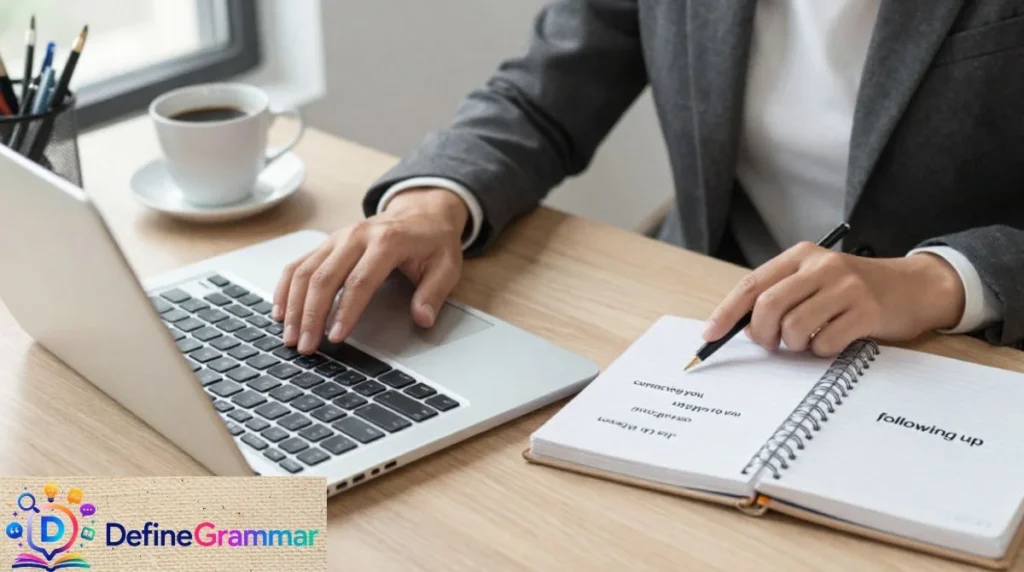
Although “reaching out” is common in modern business communication, repeating it too often can make your writing feel repetitive. Depending on the situation, there are several professional alternatives that communicate the same idea while adding variety to your emails.
Here are some excellent substitutes:
- Contacting you
- Writing to you
- Emailing you
- Getting in touch
- Connecting with you
- Following up
- Communicating with you
- Corresponding with you
- Approaching you
- Touching base
- Requesting
- Seeking
- Inquiring
- Asking
- Notifying you
- Informing you
- Consulting you
Professional examples:
- I am writing to you regarding your recent inquiry.
- I am contacting you to discuss the project timeline.
- I would like to follow up on our previous conversation.
- I am getting in touch to confirm your appointment.
- I am writing to request additional information.
Choosing the right alternative depends on your purpose. For example, “following up” is ideal after previous communication, while “contacting you” works well for general business emails.
I’m Reaching Out to You Meaning
The phrase “I’m reaching out to you” means “I’m contacting you” or “I’m getting in touch with you.” It is commonly used to begin emails, letters, and professional messages when someone wants to start a conversation, ask a question, offer assistance, or discuss a particular matter.
Unlike casual expressions such as “I’m messaging you,” the phrase sounds more thoughtful and professional. It signals that the sender has a specific purpose and values respectful communication.
People use this expression for many reasons, including:
- Asking for information
- Offering assistance
- Following up after a meeting
- Making a business proposal
- Requesting feedback
- Discussing opportunities
- Seeking advice
- Introducing themselves
- Building professional relationships
Examples:
- I’m reaching out to discuss your proposal.
- I’m reaching out to ask if you’re available for a meeting.
- I’m reaching out to introduce myself.
- I’m reaching out to learn more about your services.
- I’m reaching out because I have a few questions.
The phrase has become a standard opening in business communication because it is courteous, flexible, and suitable for a wide variety of situations.
I Am Reaching Out to You Formal
Many people wonder whether “I am reaching out to you” is formal enough for professional emails. The answer is yes. It is considered semi-formal to formal and is accepted in business, academic, and corporate communication. However, in highly formal settings, some writers prefer alternatives that sound more direct.
Formal alternatives include:
- I am writing to…
- I would like to inquire about…
- I wish to inform you…
- I am contacting you regarding…
- I would appreciate your assistance with…
- I am writing to request…
- I am writing concerning…
Formal email examples:
- I am writing to request additional information about the position.
- I am contacting you regarding our scheduled meeting.
- I would like to inquire about the application process.
- I wish to discuss the proposed agreement.
- I am writing concerning your recent correspondence.
These alternatives often sound more concise while maintaining a high level of professionalism, making them suitable for executives, government agencies, universities, and official organizations.
I Am Reaching Out to Inquire
The phrase “I am reaching out to inquire” means you are contacting someone to ask for information. It is commonly used in business emails, customer support messages, academic communication, and professional inquiries.
This expression immediately tells the reader that your purpose is to gather information or request clarification while maintaining a respectful tone.
Examples:
- I am reaching out to inquire about your pricing.
- I am reaching out to inquire about the availability of the position.
- I am reaching out to inquire about your services.
- I am reaching out to inquire whether you are accepting new clients.
- I am reaching out to inquire about the estimated delivery date.
Professional alternatives include:
- I would like to inquire about…
- I am writing to ask about…
- I am contacting you to request information regarding…
- I would appreciate information about…
- I am seeking clarification regarding…
Using these expressions helps create polite and professional inquiries that encourage positive responses.
I Am Reaching Out to You on Behalf Of
The phrase “I am reaching out to you on behalf of” means you are contacting someone as a representative of another person, company, department, or organization. It clearly indicates that you are speaking or writing for someone else rather than yourself.
This wording is frequently used by customer service representatives, administrative assistants, recruiters, managers, legal professionals, and nonprofit organizations.
Examples:
- I am reaching out to you on behalf of our marketing team.
- I am reaching out to you on behalf of our company regarding your application.
- I am reaching out to you on behalf of the event organizers.
- I am reaching out to you on behalf of our customer support department.
- I am reaching out to you on behalf of the project manager.
Professional alternatives include:
- I am writing on behalf of…
- I am contacting you on behalf of…
- I represent…
- I am communicating on behalf of…
- I have been asked to contact you regarding…
These alternatives are commonly used in formal business correspondence where representing another individual or organization is important.
I Am Reaching Out to You to Ask for Your Help
The phrase “I am reaching out to you to ask for your help” is a polite and respectful way to request assistance. It acknowledges the recipient’s expertise or willingness to support you while avoiding language that sounds demanding.
This expression is suitable for professional emails, workplace communication, academic requests, nonprofit organizations, and networking conversations.
Examples:
- I am reaching out to you to ask for your help with this project.
- I am reaching out to you to ask for your help in reviewing my proposal.
- I am reaching out to you to ask for your help resolving this issue.
- I am reaching out to you to ask for your help understanding the application process.
- I am reaching out to you to ask for your help with scheduling our meeting.
Professional alternatives include:
- I would appreciate your assistance with…
- I would be grateful for your guidance.
- I am writing to request your assistance.
- I would appreciate your advice.
- Could you please help me with…
- I would value your expertise on this matter.
When asking for help, explain your request clearly, provide any necessary context, and thank the recipient for considering your request. A respectful and specific message increases the likelihood of receiving a prompt and positive response.
Frequently Asked Questions
What can I say instead of “reaching out”?
You can say contacting, writing, getting in touch, connecting, following up, communicating, or corresponding, depending on the level of formality and the context.
How do you professionally say “I am reaching out”?
Instead of saying “I am reaching out,” use phrases like I am writing to, I would like to discuss, I wanted to inquire about, I am contacting you regarding, or I would like to follow up on, which sound more polished and professional.
What is another way to say “reach out to someone”?
Alternatives include contact someone, get in touch with someone, connect with someone, communicate with someone, correspond with someone, approach someone, or follow up with someone, each fitting different professional situations.
How do you reach out to someone professionally?
Reach out professionally by using a clear subject, greeting the recipient respectfully, stating your purpose concisely, keeping your tone courteous, and ending with appreciation and a polite call to action.
Conclusion
Learning different ways to say “I am reaching out to you” helps you sound more natural and confident in both writing and speaking. The right phrase depends on your tone, audience, and purpose. Formal alternatives work best for business letters, while friendly ones suit everyday conversations. Practicing these phrases in real emails and messages will help you build stronger communication skills over time. Try using a few new alternatives this week and notice how your writing improves.

Riaz Ahmad is the founder and writer at DefineGrammar.com, dedicated to simplifying English grammar for students and writers worldwide. With a passion for language, he breaks down complex grammar rules into clear, practical lessons, helping readers write with confidence and clarity every day.